You will see it advertised constantly in Phuket: a villa on a "30+30+30" lease, presented as if it were 90 years of secure tenure. The reality is more nuanced, and understanding it is one of the most important things you can do before buying a leasehold property. Under Thai law, a registered lease can run for a maximum of 30 years. The further 30-year periods are contractual promises to renew — not automatic legal entitlements — and their enforceability is limited, particularly against a future owner of the land or the original landlord's heirs. That does not make leasehold a bad choice; it remains the standard, workable route to a Phuket villa. But it does mean you should buy with clear eyes, strong contract clauses and good legal advice. This guide explains why.
The 30-year cap: what the law actually allows
Thai law sets a firm ceiling on how long a lease can be registered against a property's title. A lease of immovable property may be registered for a maximum of 30 years. You can register a shorter term, but you cannot register a single lease for 40, 60 or 90 years — the law will only recognise 30 years at a time.
This is why leases are structured as an initial 30-year term followed by promises of renewal. The first 30 years are solid: a properly registered lease gives you a real, recorded right to occupy and use the land for that period, protected at the Land Office. It is what comes after the 30 years that requires careful thought — and where the marketing and the law diverge.
Why "30+30+30" is not what it sounds
The appeal of "30+30+30" is obvious. It implies 90 years, close enough to ownership for comfort. The difficulty is that only the first 30 years are registered and legally secured. The two further periods exist as contractual commitments in your lease agreement: promises by the landlord to grant you a new 30-year lease when the current one expires.
A contractual promise is not worthless — it is a real obligation between the parties who signed it. But it is not the same as a statutory right, and it carries two well-known weaknesses:
- It is a promise, so its value depends on the party who made it still being there, willing and able to honour it, up to 30 years from now.
- Thai courts have generally treated these advance renewal promises cautiously, so you should not assume a renewal clause will be enforced automatically the way a registered term is.
In other words, the first 30 years are as solid as leasehold gets. The renewals are a good contractual intention, and worth having, but they are not a guarantee — and it is a mistake to pay as though they were certain.
The specific risk: future owners and heirs
The renewal problem becomes clearest when the land changes hands. Your renewal promise was made by a specific landlord. But over 30 years, the land may be sold to a new owner, or the original owner may die and pass it to heirs.
The key point is that a personal contractual promise to renew may not automatically bind that future landowner or those heirs. They inherited or bought the land, but they did not necessarily inherit the personal obligation to grant you a fresh 30-year lease. The registered lease itself will generally be respected for its remaining term, but the promise of renewal sitting on top of it stands on weaker ground.
This is the scenario careful buyers plan for: not the first 30 years, which are secure, but the moment of renewal decades out, when the person you must rely on may not be the person you originally dealt with. Everything in the next section is about reducing that risk.
How to strengthen your leasehold position
You cannot change the 30-year statutory cap, but a well-advised buyer can make their position considerably stronger. The tools your lawyer will consider include:
- Strong renewal and option clauses. Clear, specific drafting — pre-agreed renewal terms, a fixed or nominal renewal cost, and an option you can exercise — is far better than a vague promise to "renew by mutual agreement."
- Freehold ownership of the building. Owning the villa itself in freehold, separately from the land lease, gives you a real, continuing asset even as the land lease runs down (more on this below).
- A company as landlord. Where the land is owned by a company rather than an individual, the renewal obligation can be tied to the company, which does not die and whose shares can be dealt with — reducing the "heirs" problem. This must be structured lawfully.
- A reputable developer or landowner. A well-established developer with a long-term reputation and many lease-holding clients has strong commercial reasons to honour renewals; an unknown individual landlord has fewer.
- Succession drafting. Ensuring the lease is written to allow your own rights to pass to your heirs, so the benefit does not simply end with you.
None of these turns a 30-year lease into freehold. What they do is stack the odds in your favour — legally, structurally and commercially — so that renewal is as likely, and as enforceable, as it can practically be. For the broader trade-offs between the two structures, see our comparison of freehold versus leasehold in Phuket.
Freehold of the building: a key protection
One structural point deserves emphasis, because it is genuinely powerful. In Thai law, the land and the building on it can be owned separately. A foreigner cannot own the land, but they can own the building.
A strong villa structure therefore pairs a registered 30-year lease of the land with freehold ownership of the house standing on it. The practical effect is meaningful: you own a real, tangible asset — the villa — outright, and you hold registered rights over the ground beneath it. If renewal negotiations ever became difficult, your ownership of the building gives you a far stronger negotiating position than a pure land tenant would have. It does not remove the need for good renewal clauses, but it is one of the most effective protections available, and it is standard in well-structured villa purchases. Our guide to buying a villa in Phuket explains how this pairing is set up.
The safest leasehold structures do not rely on the renewal promise alone. They combine a registered 30-year term, freehold of the building, strong option clauses and a reputable counterparty — so several protections back each other up.
Leasehold is still a normal, workable route
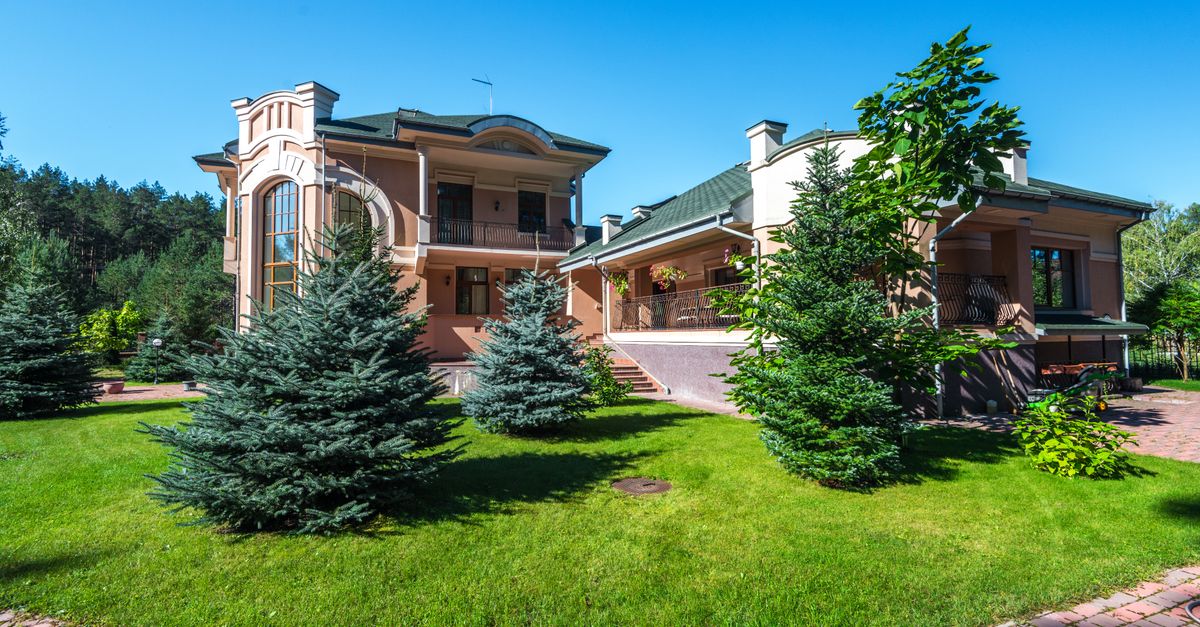
It would be a mistake to read all of this as a reason to avoid leasehold. Leasehold is the standard, perfectly workable way foreigners hold villas across Phuket, and thousands of buyers live happily in leasehold homes in areas such as Nai Harn and Rawai. The point is not to frighten you off; it is to make sure you buy realistically.
Approached properly — with a registered 30-year lease, freehold of the building, strong renewal clauses, a reputable counterparty and independent legal advice — leasehold gives you secure use of a wonderful home for decades, with a reasonable and well-protected path to continue beyond. What you should avoid is paying a freehold-equivalent price on the assumption that 90 years is guaranteed, when the law secures 30 and the rest rests on the strength of your contract. For the wider legal picture on how foreigners hold land and villas, see can foreigners own property in Thailand.
Conclusion
"30+30+30" is best understood honestly: 30 years of secure, registered tenure, followed by contractual promises of renewal that are worth having but are not guaranteed by statute and may not bind a future landowner or heirs. That is not a reason to avoid leasehold — it is the normal route to a Phuket villa — but it is a reason to buy carefully. Insist on a registered 30-year lease, freehold of the building, strong renewal and succession clauses, and a reputable counterparty, all reviewed by an independent lawyer, and your leasehold home rests on the firmest footing the structure allows.
Want us to review the renewal terms on a villa you are considering, or explain your options in plain language? Get in touch for a free consultation, or browse our villa listings to see leasehold homes across the island.