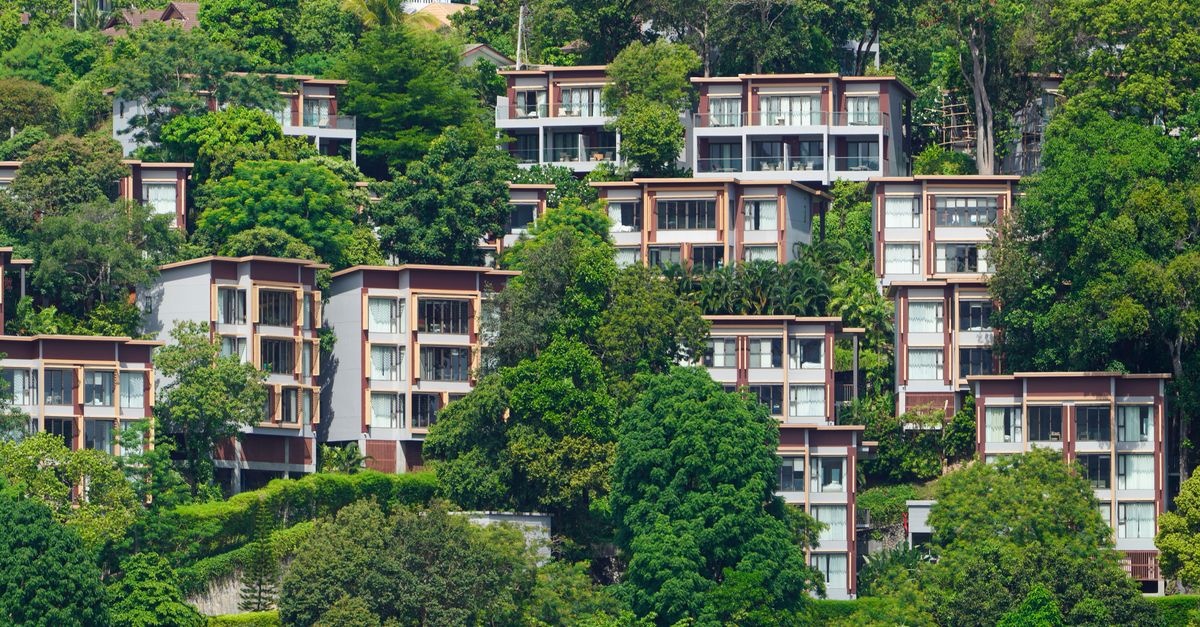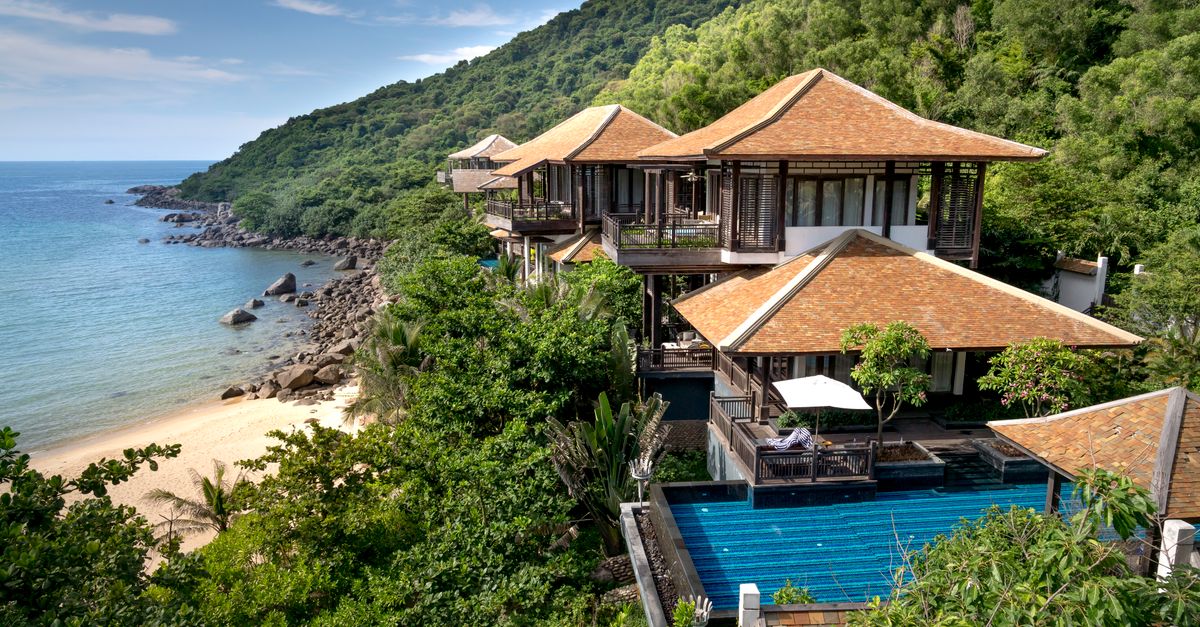
Buying a villa in Phuket gives you space, privacy and a private pool — but because foreigners cannot own land in Thailand, a villa purchase needs a little more structure than a condo. In practice you will hold your villa through a registered long-term lease (often paired with freehold of the building) or through a properly set-up Thai company. This 2026 guide explains both ownership routes, the land due diligence that protects you, what a pool villa costs to buy and run, the best areas, and the rental yields villas can realistically achieve.
How foreigners own a villa
The core principle is simple: a foreigner may own a building but not the land it stands on. A villa is land plus a house, so the ownership is arranged around that rule. There are two established routes, and your lawyer will help you choose between them based on your goals and how long you intend to hold.
- Leasehold — a long-term lease of the land, commonly combined with freehold ownership of the house itself.
- Thai company — a properly structured and genuinely operating Thai limited company that owns the land.
Both are widely used on the island. The right choice depends on your time horizon, your appetite for administration, and your plans for the property. For the wider buying journey, see our pillar guide, how to buy property in Phuket.
The leasehold route
Leasehold is the most transparent structure for many villa buyers. You register a long-term lease of the land — commonly 30 years — at the Land Office, and you typically take freehold ownership of the building on top of that lease. In effect, you own the house and hold secure, registered rights to the land under it.
Two details matter enormously:
- Renewals are contractual. A lease renewal is a promise written into your agreement, not an automatic legal right, so the wording is critical.
- Registration has a cost. Registering the lease at the Land Office costs around 1.1%, which your lawyer will factor into the budget.
A lease renewal is a contractual commitment, not a guaranteed entitlement. How it is drafted is one of the most important things your lawyer will negotiate on your behalf.
The Thai company route
A Thai limited company can own land outright, and a foreigner can control the company through a structure set up with lawyers. This route suits some buyers, particularly those holding multiple properties or planning a longer horizon.
The essential conditions are that the company must be genuine and properly operating — not a dormant nominee shell — and that it is set up and maintained correctly, with ongoing accounting and annual compliance. Because the rules are detailed and enforcement matters, this route should only ever be taken with proper, independent legal advice. A good lawyer will explain the responsibilities honestly before you decide.
In practice, buyers who want the villa mainly as a home often lean towards leasehold for its simplicity, while those building a longer-term portfolio sometimes prefer the company route. There is no one-size-fits-all answer, and the decision should follow your lawyer's assessment of your specific circumstances rather than a general rule of thumb.
Land due diligence: the critical step
This is where villa purchases most often go wrong, and where thorough legal work earns its fee many times over. Before you commit, your lawyer should confirm:
- Title deed type and cleanliness — ideally a full Chanote title, with a clean search showing no mortgages, liens or disputes.
- Legal road access — a proper, registered right of way to the plot, not an informal arrangement.
- Utilities — that water and electricity are connected or can be legally connected.
- Building permit and zoning — that the villa was built legally and complies with local zoning and construction rules.
- The landowner's authority — for a lease, that the person granting it genuinely owns the land and is entitled to lease it.
Never shortcut this stage. A beautiful villa on land with access or permit problems is a liability, not an asset.
What a pool villa costs
Villas sit above the condo entry point, and the price is driven by the land plot, the location, the pool and the build quality far more than by floor area alone. A compact villa inland will cost a fraction of a beachfront pool villa in a prestige area, so it is best to set your budget against a specific area and plot type rather than an island-wide average.
On top of the purchase price, budget for:
- Leasehold registration at around 1.1%, or the setup and maintenance costs of a Thai company.
- Legal fees for the more involved due diligence a villa requires.
- The general guide of 5–7% for transfer-related taxes and fees, which your lawyer will itemise for your specific structure.
As a practical step, view several villas across different price brackets before you fix your budget. The gap between a modest inland villa and a beachfront pool villa in a prestige location is very wide, and seeing that range in person is the quickest way to calibrate what your money buys and where the best value sits.
Our cost of buying property in Phuket guide breaks these charges down in detail. If you are weighing a villa against a simpler purchase, our buying a condo in Phuket guide sets out the comparison.
Best areas for villas
Villa buyers tend to prioritise privacy, views and a sense of community. The strongest villa areas include:
- Layan — prestigious, green and quiet, just north of Bang Tao and popular for high-end pool villas.
- Bang Tao and Cherng Talay — a hub for both villas and condos, with the Laguna area, golf and the beach close at hand.
- Rawai and Nai Harn — the southern favourite for families and long-stay residents, with good value and an easygoing lifestyle.
- Kamala — home to some of the island's most sought-after sea-view villas along the hillside.
Rental yields for villas
Villas typically achieve gross yields of around 6–8% as of 2026, ahead of condos, because a private pool villa commands strong nightly rates from families and groups. Well-managed short-term villa rentals can deliver net returns of roughly 6–10%, though this depends heavily on occupancy and the quality of your management.
As with condos, the headline yield is only part of the story. Location, the standard of the villa, and professional management determine whether you achieve the top of that range or the bottom of it. Villas with three or more bedrooms and a private pool tend to attract families and groups booking by the week, which can mean fewer, longer stays and lower turnover costs than a condo typically sees.
Conclusion
A Phuket villa is one of the island's great lifestyle purchases — private, spacious and rewarding to let — as long as the ownership is structured correctly and the land is thoroughly checked. Decide between leasehold and a Thai company with independent advice, insist on complete land due diligence, and budget realistically for registration and legal costs, and your villa can be both a wonderful home and a productive asset.
Thinking about a villa? Browse our villa listings or get in touch for a free consultation, and we will guide you through ownership, due diligence and the areas that best fit your plans.