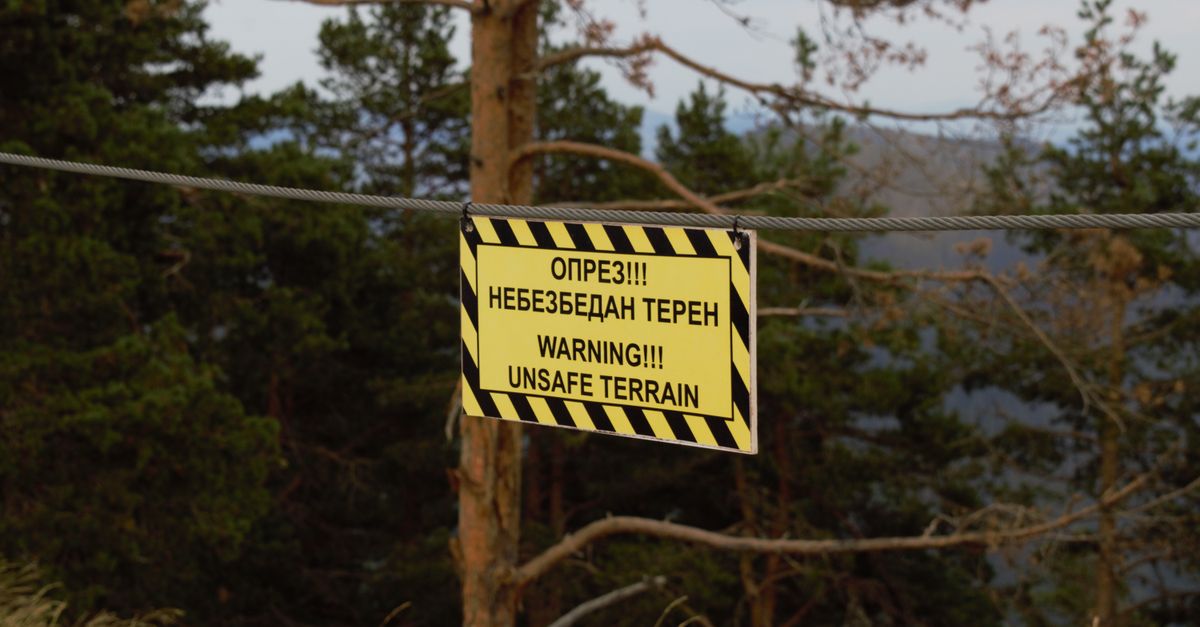
Phuket rewards buyers who do their homework and punishes those who do not. The island's property market is cash-based, offers no title insurance, and follows rules — on ownership, on the foreign quota, on land — that differ sharply from those back home. Most of the expensive problems foreign buyers run into are not bad luck; they are the same avoidable errors, made again and again. This 2026 guide lists the ten most common and costly Phuket property buying mistakes, and, just as importantly, exactly how to avoid each one. Read it before you fall in love with a property, not after.
Legal mistakes that can cost you everything
These are the errors that do not just cost money — they can cost you the property itself, or your legal right to hold it. Get these two right and you have removed most of the truly catastrophic risk.
1. Skipping an independent lawyer
The single most expensive mistake is trying to save a modest legal fee. Thailand has no title insurance and no automatic buyer protection, so your lawyer is your protection. An independent lawyer — yours, not the developer's or the agent's affiliate — verifies the title, checks for debts registered against the property, confirms your right to own, and reviews the contract before you sign. Skipping this to save a few tens of thousands of baht, against a multi-million-baht purchase, is a false economy. Avoid it: instruct your own lawyer early, before you pay anything. Our guide on using a lawyer to buy property in Thailand explains the role.
2. Relying on an illegal nominee company
Foreigners cannot own land, and some buyers are talked into a Thai company with nominee shareholders — Thai names on paper who hold shares only to disguise foreign control of the land. This is illegal, and it puts your entire investment at risk. A genuine, operating company can legitimately own land; a hollow nominee shell cannot. Avoid it: never use nominees, and if a company structure genuinely suits you, set it up properly with a lawyer who explains the real obligations. Our guide to Thai company ownership risks covers this in depth.
Ownership structure mistakes
How you hold a property in Thailand matters as much as which property you buy. Two assumptions in particular trip up foreign buyers, and both are easy to check before you commit.
3. Ignoring the 49% foreign freehold quota
A condo building can only sell 49% of its floor area into foreign freehold. If your unit falls outside that quota, you cannot take freehold in your own name — you may be offered a leasehold instead, which is a different proposition. Buyers who skip this check sometimes discover the problem far too late. Avoid it: get written confirmation that your specific unit is available within the foreign quota before you pay a deposit. Our explainer on freehold versus leasehold in Phuket sets out what each means.
4. Assuming a leasehold renewal is guaranteed
A villa lease is commonly 30 years, and buyers often assume that renewal for further terms is automatic. It is not — a renewal is a contractual promise, not a guaranteed legal right. If it is worded weakly, or the landowner will not honour it, your long-term security suffers. Avoid it: have your lawyer scrutinise the renewal wording, and never pay a premium on the assumption that renewals are certain.
Money and cost mistakes
Getting the numbers wrong rarely sinks a purchase outright, but it can quietly erode your returns for years. Two mistakes here are especially common among first-time buyers.
5. Overpaying for off-plan on "guaranteed returns"
Off-plan can be a good buy, and its interest-free stage payments are a genuine benefit — but be wary of "guaranteed rental return" offers. These are frequently attached to units priced 15–25% above the real market, so the guarantee is often just your own money returned to you over a few years, wrapped in a headline yield. Avoid it: compare the price against genuine market comparables, treat guaranteed returns with scepticism, and check the developer's track record before you commit.
6. Underestimating the true cost of buying
The purchase price is not the final figure. Budget roughly 5–7% on top for transfer taxes and fees — the 2% transfer fee (often split 50/50), the specific business tax or stamp duty, legal fees, a condo sinking fund and utility meters. Buyers who plan only for the sticker price get an unwelcome surprise at the Land Office. Avoid it: ask for an itemised cost breakdown up front. Our cost of buying property in Phuket guide sets out every line.
Paperwork and transfer mistakes
One piece of paperwork does more to protect a foreign buyer than almost any other, and it is surprisingly easy to overlook in the rush to complete.
7. Forgetting the FET form on your transfer
To register a condo in foreign freehold, you generally need to show that the money arrived from abroad in foreign currency, evidenced by a Foreign Exchange Transaction (FET) form from the receiving Thai bank. Buyers who transfer funds carelessly — in the wrong currency, or without the right paperwork — can struggle to register freehold, or to repatriate money cleanly when they eventually sell. Avoid it: plan the transfer with your bank and lawyer in advance, send foreign currency, and keep the FET documentation safe.
Market and property mistakes
The final group is about the property and the market around it — the things that decide whether you enjoy the home day to day, and whether you can one day sell it well.
8. Buying a property unseen
Photos flatter, and a unit can look very different in person — the view, the noise, the finish, the real walk to the beach. Buying entirely sight-unseen, without a trusted local set of eyes, is a genuine risk. Avoid it: view in person where you can, or have a trusted agent or lawyer inspect on your behalf and send honest, unedited detail before you commit.
9. Ignoring resale and liquidity
Buyers focus on the purchase and forget they may one day sell. Condos, being freehold and lower-priced, appeal to a broad buyer pool and tend to resell more easily; villas, with their higher price and leasehold or company structure, face a smaller pool and can take longer to move. Avoid it: buy with the next buyer in mind — a good location, a sound structure and a clean title all protect your exit.
10. Skipping due diligence altogether
Every mistake above is really a facet of the same failure: not checking properly before paying. Skipping due diligence — the title search, the encumbrance check, the quota confirmation, the developer vetting — is how buyers inherit someone else's problems. Avoid it: run a full due-diligence process with your lawyer on every purchase, however trustworthy the seller seems. Our due diligence checklist walks through each step.
Almost every costly mistake in Phuket traces back to one thing: paying before checking. Reverse that order and most of the risk disappears.
Conclusion
None of these Phuket property buying mistakes is exotic or unlucky — each is common, well documented, and entirely avoidable. The thread running through all ten is simple: slow down, take independent legal advice, verify everything in writing, and never let urgency or a "guaranteed" promise replace your own checks. Do that, and you remove almost all of the risk that catches unprepared buyers, leaving you free to enjoy the part that matters — owning a home in one of the most beautiful places in the world.
Planning a purchase and want to do it right? Browse our verified listings or arrange a free consultation, and we will help you avoid every one of these mistakes from the very first viewing.