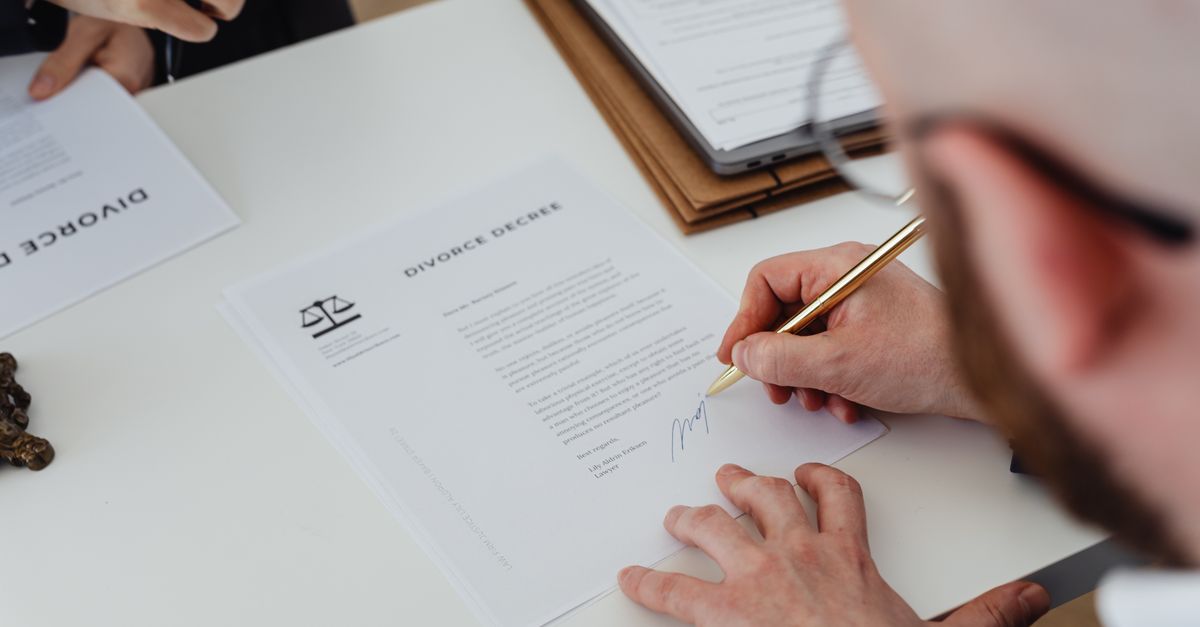
You are not legally required to hire a lawyer to buy property in Thailand — but for almost every foreign buyer, doing so is the smartest, best-value decision in the whole purchase. An independent property lawyer in Thailand verifies the title, checks for debts and encumbrances, confirms your right to own, reviews and negotiates the contract, and represents you at the Land Office, often under a Power of Attorney so you never need to fly in. This 2026 guide explains exactly what a lawyer does, why their independence matters, what it costs, when it is truly essential, and how to choose a good one.
The short answer
No — Thai law does not require you to use a lawyer to buy property. In practice, though, nearly every well-advised foreign buyer does, and for good reason. Thailand has no title insurance and no automatic buyer protection, the market runs on cash, and the ownership rules for foreigners are specific. A lawyer is how you turn an unfamiliar, high-value transaction in another language and legal system into a safe one. For the full purchase journey, our step-by-step guide on how to buy property in Phuket shows where the lawyer fits in.
What a property lawyer actually does
A good property lawyer earns their fee many times over by handling the parts of the deal that carry real risk:
- Title search and due diligence — verifying the title deed (a Chanote is the strongest), and checking for mortgages, encumbrances, access rights and zoning. See our due-diligence checklist for the full list.
- Ownership structuring — confirming foreign-quota availability for a condo, or setting up a registered 30-year leasehold or a properly structured Thai company for a villa.
- Contract review and negotiation — drafting or checking the Sale and Purchase Agreement and inserting the protections you need.
- Completion — representing you at the Land Office, and ensuring the taxes and the FET form are handled so title is registered correctly.
- Power of Attorney — acting for you if you are buying from abroad.
Just as valuable is what a lawyer helps you avoid: paying a deposit on a unit that is not actually available within the foreign quota, signing a contract that lets a developer slip its completion date without penalty, or transferring funds in a way that later blocks you from repatriating your capital. Much of the value is in the problems that never happen.
Why independence matters
The single most important word here is independent. The developer and the selling agent both have an interest in the deal closing; a lawyer they recommend may be perfectly competent but is not unambiguously on your side.
Engaging your own lawyer — one who reports only to you — means the person checking the title, the quota and the contract has no stake in the sale going through. If something is wrong, they have every reason to tell you and none to gloss over it. That independence is precisely what you are paying for, so avoid relying solely on a lawyer chosen by the other side of the transaction.
This is also why a lawyer and a good agent play different roles. Your agent helps you find the right property and negotiate the deal; your lawyer independently checks that the property and the paperwork are sound. The two work well together, but neither replaces the other.
When a lawyer is essential
For a straightforward foreign-freehold condo from a reputable developer, some experienced buyers feel comfortable with lighter support — though a lawyer is still wise. There are situations where independent legal help is genuinely essential:
- Buying a villa, where you take a registered leasehold or use a Thai company — both need careful, lawful structuring. Our guide to buying a villa in Phuket explains why.
- Buying off-plan or from a new developer, where completion risk and contract detail matter most.
- Buying remotely, where a Power of Attorney must be drafted and used correctly.
- Any doubt over the title, quota, access or the seller's identity.
In each of these, the cost of getting it wrong dwarfs the cost of legal advice. Put simply, the further a deal departs from a plain, completed, foreign-freehold condo, the more you need independent legal eyes on it.
What it costs
Legal fees in Thailand are refreshingly reasonable for the protection they provide. As of 2026, expect typically around THB 30,000–60,000 for a standard condo or leasehold purchase — usually a flat professional fee agreed in advance. Where the deal is more complex, such as a Thai company setup or a multi-stage off-plan villa, fees are higher to reflect the extra work. It is worth agreeing the scope in writing at the outset — title search, contract review, due diligence, Power of Attorney and completion should all be covered — and asking whether the fee is fixed or could rise with complexity, so there are no surprises later.
Set against a purchase price in the millions of baht and the 5–7% you will already budget for taxes and fees, the lawyer is the best-value line item in the transaction. Skipping it to save a modest sum is a false economy — their job is to catch the problems that would cost you far more later.
How to choose a good lawyer
Not all firms are equal. Look for:
- Genuine independence from the developer and the agent.
- Property and conveyancing experience with foreign buyers specifically, and familiarity with Phuket's Land Offices.
- Clear English communication, so nothing is lost in translation.
- A written scope and fixed fee up front, listing exactly what is included.
- Responsiveness and references — a firm that answers promptly and can point to past clients.
Ask what their due diligence covers, whether they will act under Power of Attorney, and how they report their findings. A confident, transparent answer is a good sign, and a brief introductory call before you engage anyone tells you a lot about how clearly they explain things.
Buying from abroad: power of attorney
One of the most useful things a lawyer does is let you complete the purchase without being in Thailand. Under a properly drafted Power of Attorney, your lawyer can sign documents and represent you at the Land Office on your behalf, while you follow progress remotely. Combined with video viewings and construction updates, this makes buying from overseas routine rather than daunting. Our guide to buying property in Phuket remotely explains the whole process, and the Sale and Purchase Agreement is one of the documents your lawyer will handle for you.
Conclusion
Do you need a lawyer to buy property in Thailand? Not by law — but for a foreign buyer navigating title deeds, the foreign quota, contracts and the Land Office, an independent lawyer is the safeguard that makes the whole purchase safe. For a modest, predictable fee, they verify what you cannot easily check yourself and stand entirely on your side. The one caveat is to choose well: an independent, experienced firm engaged early in the process, with a clear written scope, gives you far more protection than a name handed to you at the last minute by the seller. It is, quite simply, money well spent.
Thinking about buying in Phuket? Browse our listings or arrange a free consultation, and we can introduce you to trusted, independent lawyers and guide you safely through every step.