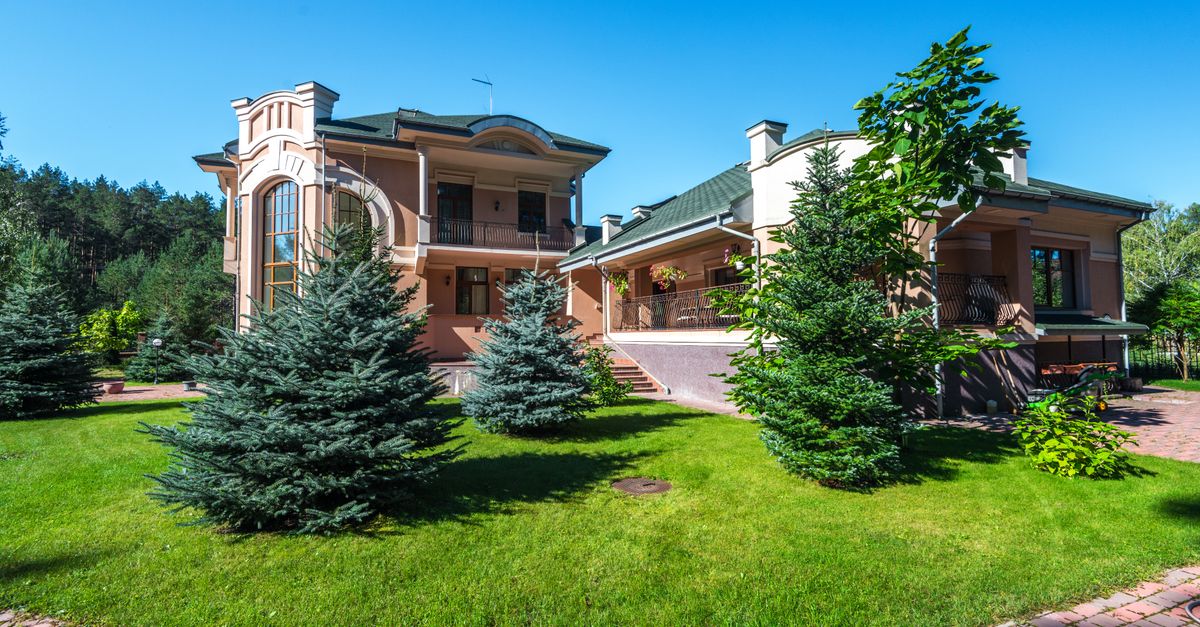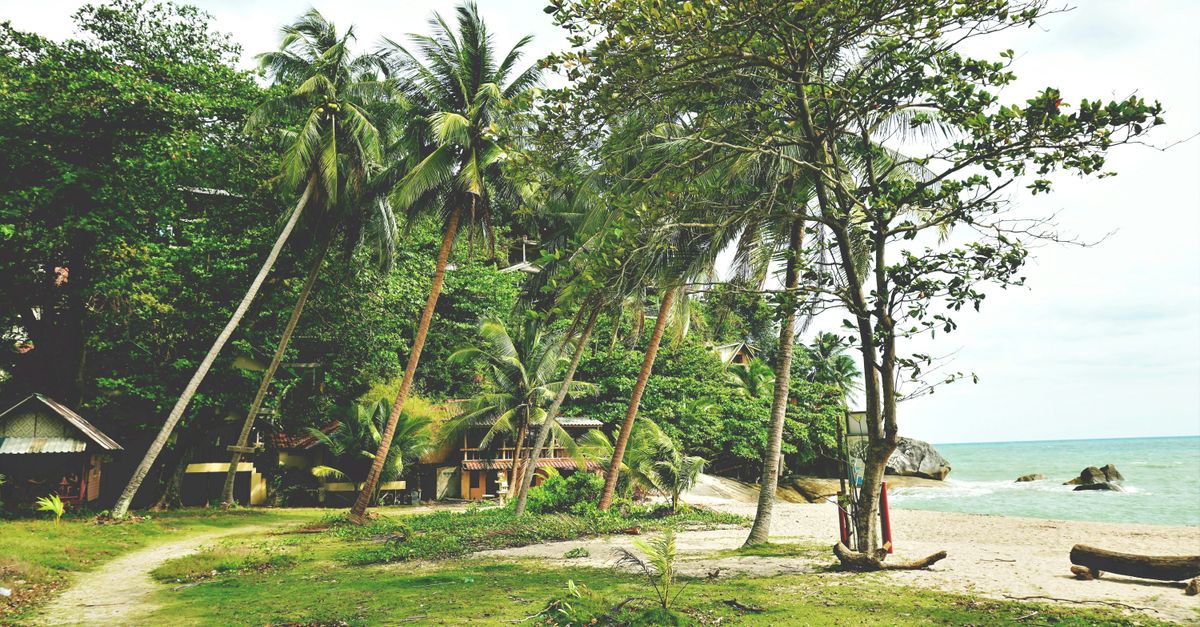
Yes — foreigners can legally own property in Thailand, but the form that ownership takes depends on what you are buying. In short: a foreign national can own a condominium in full freehold, registered in their own name, as long as the building stays within its legal foreign-ownership limit. Land — and therefore a standalone villa sitting on that land — cannot be owned outright by a foreigner. Instead, villas and houses are typically held on a registered long-term lease, often combined with freehold ownership of the building itself, or through a properly structured Thai company. This guide explains each route as it stands in 2026, what you can and cannot do, and how to choose the option that fits your situation.
The legal starting point: two different laws
Two pieces of Thai legislation shape everything a foreign buyer needs to know.
The first is the Land Code, which restricts direct land ownership to Thai nationals. This is why a foreigner cannot simply buy a plot of land or a villa freehold the way they might at home. The second is the Condominium Act, which carves out a clear and welcome exception: registered condominium units may be sold to foreign buyers in freehold, within a defined quota for each building.
Understanding this split is the key to understanding your options. If you are buying an apartment in a registered condominium, you are in the friendliest part of Thai property law. If you are buying anything that includes land — a villa, a townhouse on its own plot, a piece of development land — you will use a leasehold or company structure instead. Neither route is unusual; both are used every day by international buyers across Phuket.
Condominium freehold: the simplest route for foreigners
For most overseas buyers, a condominium is the cleanest and most straightforward way to own in Thailand. A foreign buyer can hold the unit in full freehold in their own name, with the title deed (the chanote) recorded at the Land Office. You can live in it, rent it out, pass it on to your heirs, and sell it on the open market to a Thai or foreign buyer.
To register foreign freehold, the purchase funds must be brought into Thailand from abroad in foreign currency, and the receiving Thai bank issues a document confirming this — the Foreign Exchange Transaction (FET) form. This paperwork is not optional; it is the evidence the Land Office needs to record the unit in a foreign name, and it also matters later when you sell and want to send your money home. We cover this in detail in our guide to transferring money to Thailand to buy property.
The 49% foreign-ownership quota
Every registered condominium building may sell up to 49% of its total sellable floor area to foreign owners in freehold. The remaining 51% is reserved for Thai owners (individuals or companies). This is the well-known "foreign quota."
In practice, this means one thing you should always check before you fall in love with a unit: is foreign freehold still available in that specific building? In popular projects the foreign quota can fill up. When it does, the same unit may still be offered on a leasehold basis instead. A good agent confirms the quota position in writing before you pay a reservation deposit, so there are no surprises at the Land Office.
Leasehold: how foreigners hold villas and land
Because outright land ownership is closed to foreigners, villas and houses are most commonly secured through a registered long-term leasehold. The lease is typically granted for 30 years and registered against the title at the Land Office, giving you a real, recorded right to occupy and use the property rather than a mere rental agreement.
Two points are worth stating plainly. First, lease renewals are contractual, not guaranteed by statute — a well-drafted contract will provide for renewal periods, but those renewals rely on the agreement between the parties rather than an automatic right under Thai law. Second, a strong leasehold structure usually pairs the land lease with freehold ownership of the building standing on it, so you own the villa itself and hold a long, registered lease over the ground beneath it.
Leasehold is a normal, widely used arrangement in Phuket's villa market. What matters most is the quality of the contract and the due diligence behind it. To weigh leasehold against condo freehold for your own plans, see our detailed comparison of freehold versus leasehold in Phuket.
The Thai company route
The third option is to hold land or a villa through a Thai limited company that owns the property, with the foreign buyer involved in the company. This can be appropriate for larger or income-producing assets, but it must be done correctly.
A company used to hold property should be a genuine, properly operating company, structured and maintained with qualified Thai lawyers and accountants — not a hollow "nominee" arrangement created only to disguise foreign land ownership, which is not lawful. A legitimate company carries real obligations: annual accounts, tax filings and proper corporate governance. For the right buyer and the right asset it is a valid path, but it is one to enter with professional advice rather than a template downloaded online.
What foreigners can and cannot do
A quick reference for how the rules translate into practice:
- Can own a condominium unit in full freehold, in their own name, within the building's 49% foreign quota.
- Can hold a villa or house on a registered long-term lease, commonly 30 years, usually combined with freehold of the building.
- Can own the building or structure even where they cannot own the land under it.
- Can buy remotely, complete by Power of Attorney, rent the property out and later resell it.
- Cannot own land outright as an individual foreigner.
- Cannot rely on informal "nominee" shareholders to sidestep the Land Code.
- Cannot register foreign condo freehold without bringing funds in from abroad and obtaining the FET form.
Before paying any deposit, confirm two things in writing: which ownership structure applies to the specific property, and — for a condo — that foreign freehold quota is still available in that building.
Choosing the safest route — and buying with confidence
The "safest" structure is simply the one that is correct for the asset and properly documented. Condominium freehold suits buyers who want the cleanest title and easy resale. Leasehold suits those set on a villa or a home with a garden and pool. A company can suit larger holdings — always with lawyers involved.
Whichever route applies, the protections are the same: independent legal due diligence (a title search, checks on the developer or seller, and a review of every contract) before you commit, and funds transferred correctly so your ownership can be registered and your capital repatriated when you sell. Note too that financing is limited — Thai banks generally do not lend to foreign buyers, so the market is largely cash-based, while off-plan projects often offer interest-free stage payments across the construction period.
None of this requires you to be in Thailand. Many of our clients complete their entire purchase from abroad; our walkthrough on buying property in Phuket remotely explains how. When you are ready, our step-by-step buyer's guide sets out the full process from budget to Land Office, and you can browse current listings to see what your budget buys today.
Conclusion
Foreigners genuinely can — and routinely do — own property in Thailand. Condominiums are available in full foreign freehold within each building's 49% quota; villas and land are held through registered long-term leasehold or a properly structured Thai company. The rules are clear and well established; the difference between a smooth purchase and a stressful one comes down to matching the right structure to the property and completing the paperwork correctly.
If you would like us to confirm the best ownership route for a specific property — and check the freehold quota before you commit — get in touch for a free consultation or start by browsing our Phuket properties.