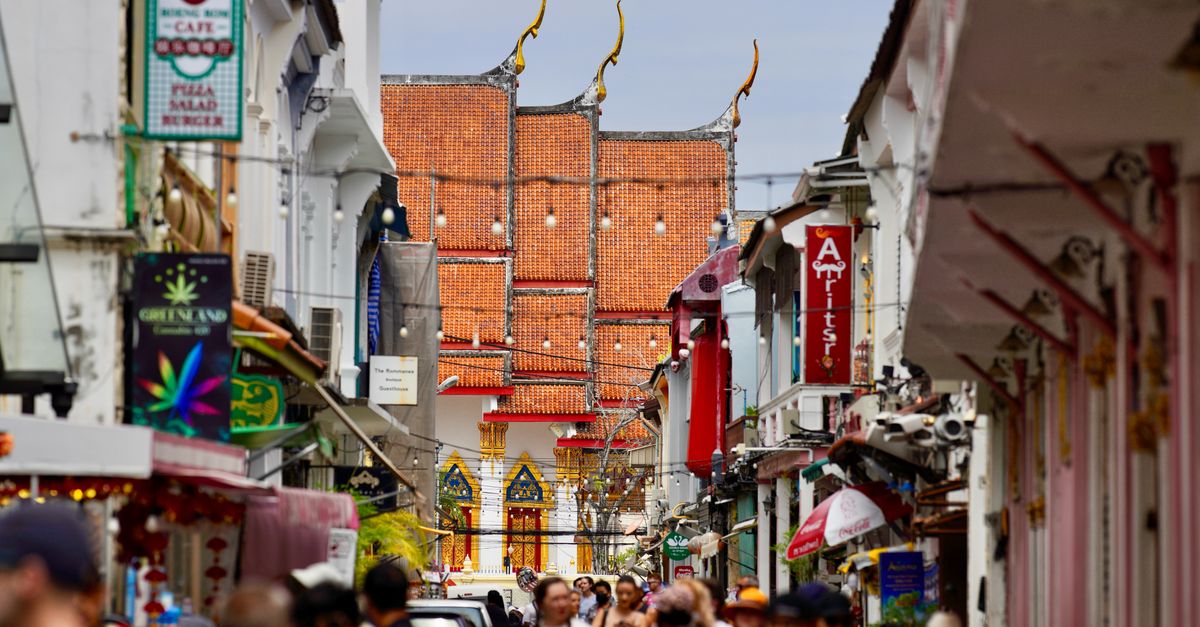
Retiring in Phuket has become one of the most popular choices for people who want their later years to be warm, active and affordable. The island offers a gentle climate, a low cost of living relative to most Western countries, internationally accredited private hospitals, and a large, well-settled retiree community that makes it easy to build a new social life. For many, a pension that felt modest back home stretches into a comfortable, sunlit lifestyle here. This 2026 guide covers the essentials of retiring in Phuket: how the retirement visa works, what to budget each month, the best areas for retirees, healthcare, and the practical question of whether to buy or rent.
Why retire in Phuket
Phuket combines the things retirees value most. The weather is warm year-round, encouraging an outdoor life of swimming, walking, golf and gentle exercise. Daily costs — food, transport, domestic help, dining out — are excellent value, so a fixed income goes further. Medical care is a genuine strength, with modern private hospitals and English-speaking staff. And crucially, you are not alone: Phuket's south in particular has a large, long-established community of retired expats from around the world, with clubs, groups and social events that turn a move abroad into a fresh chapter rather than an isolating one.
Add an international airport with connections across Asia and beyond, reliable internet for staying in touch with family, and a slower island pace, and it is easy to see why so many people choose to spend their retirement here.
The retirement visa: the basics
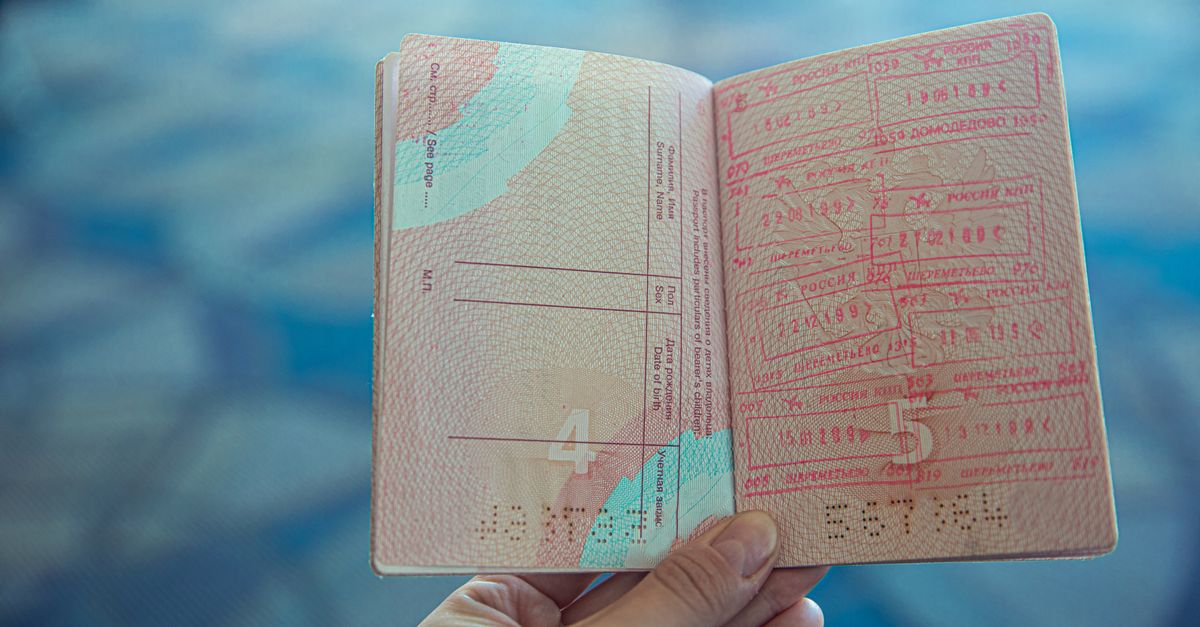
The classic route for older residents is the renewable one-year retirement visa, open to applicants aged 50 and over who meet the financial requirements. Those requirements are typically shown as a minimum monthly income, a deposit held in a Thai bank account, or a combination of the two. It is renewed annually and comes with periodic reporting obligations that become routine once you are familiar with them.
The retirement visa is not the only path. Depending on your circumstances, other routes may suit you better:
- The 10-year LTR (Long-Term Resident) visa is aimed at qualifying wealthy individuals and pensioners, offering long validity and fewer annual formalities.
- The paid Thailand Privilege (Elite) visa provides long-stay privileges for a fixed membership fee, without an age or income test.
- The marriage visa applies to those married to a Thai national.
One point matters for anyone planning to buy a home here: purchasing property does not, by itself, grant a visa or residency. You arrange the property and the visa in parallel. Because financial thresholds and paperwork change and are applied case by case, always use a licensed visa specialist. Our overview of Thailand visas for property owners explains each route in more detail.
Budgeting for retirement
The beauty of retiring in Phuket is how far a modest budget can go — but honest planning matters. Your monthly outgoings depend heavily on lifestyle: a retiree who rents a simple condo, eats local food and drives a scooter spends a fraction of what a couple in a sea-view villa with a car, regular fine dining and imported groceries will.
As a rough guide, many retired couples live very comfortably on a mid-range monthly budget that would only cover the basics in most Western cities, with plenty left for travel, hobbies and eating out. The costs that climb closer to Western levels are premium private healthcare, imported goods and higher-end housing, while local food, utilities, transport and help around the home remain outstanding value.
Because these numbers make or break a retirement plan, build yours on real figures. Our detailed cost of living in Phuket 2026 breakdown sets out realistic monthly budgets by lifestyle so you can stress-test your pension against island prices.
The best areas for retirees
Retirees tend to cluster in a few areas that balance community, healthcare access, value and a relaxed pace.
Rawai
Rawai is the heart of Phuket's south-eastern retiree scene. It offers marinas, fresh seafood, a walkable community feel and one of the island's most active markets for villas and residential condos, with accessible entry pricing. The large resident population means ready-made social groups and services geared to long-stay residents.
Nai Harn
Nai Harn is a scenic southern bay with a beach, a lake and a genuine neighbourhood atmosphere. Its low-rise condos and villas attract long-term residents and lifestyle buyers who want calm and greenery rather than a busy resort strip — an ideal fit for a peaceful retirement.
Chalong and the south
Chalong is well-connected and central, close to marinas, temples, schools and healthcare, with good value on villas and townhouses. It suits retirees who prioritise practicality and easy access to services over a beachfront address. Nearby, quieter beaches such as Kata appeal to those who want a calmer, family-friendly setting within easy reach of amenities.
Healthcare in retirement
Healthcare is often the deciding factor for retirees, and it is one of Phuket's strongest cards. The island has internationally accredited private hospitals with modern facilities and English-speaking staff, backed by public hospitals and a dense network of clinics and pharmacies.
Two things are worth planning early. First, comprehensive health insurance becomes both more important and more expensive with age, so research your options and secure cover before you rely on it. Second, choosing a home within a reasonable drive of a good hospital brings genuine peace of mind. Our guide to healthcare in Phuket for expats and retirees covers public versus private care, insurance and what to budget in detail.
Buying versus renting in retirement
Most retirees start by renting, and it is sound advice. A season or two on the island lets you test areas, weather and daily life before committing capital, and renting keeps you flexible if your plans change.
When you are ready to put down roots, buying brings stability, a home tailored to your needs, and freedom from rising rents. Foreign buyers can own a condominium in freehold within a building's 49% foreign quota — the simplest route — while a villa with a private pool and garden is typically held through a long-term leasehold or a properly structured Thai company, since foreigners cannot own land outright. Neither is a barrier; both are routine with the right legal guidance.
If you are leaning toward a house rather than a condo, our guide to buying a villa in Phuket walks through the whole process — from choosing the right area and negotiating a fair price, to structuring the ownership correctly through a lease or company and handling the legal due diligence.
The happiest retirees here tend to rent first, learn the island, then buy in the area that already feels like home — decisions made with experience, not just a holiday impression.
The bottom line
Retiring in Phuket can deliver a warm, social and remarkably affordable lifestyle, provided you plan the three fundamentals: the right long-stay visa arranged with professional help, an honest monthly budget, and good healthcare cover within reach of your home. Choose an area that matches the pace and community you want, rent to be sure, then buy when the island feels like home.
When you are ready to explore, we can help you find the right place for this chapter of life. Browse available properties or get in touch for a free consultation and we will tailor a shortlist to your budget and plans.