Good healthcare in Phuket is one of the main reasons the island works so well for expats and retirees, not just holidaymakers. Alongside a warm climate and a low cost of living, Phuket offers internationally accredited private hospitals with modern facilities and English-speaking staff, backed by public hospitals and a dense network of clinics and pharmacies. For anyone relocating — and especially for older residents — knowing how the system works, what to insure, and what to budget brings real peace of mind. This 2026 guide explains public versus private care, the role of private hospitals, health insurance, what to set aside, and how medical access varies across the island.
How healthcare works in Phuket
Thailand runs a two-tier system that expats quickly come to understand: a public sector and a private sector, operating side by side.
The public system provides affordable care through government hospitals and health centres and serves the bulk of the local population. Standards at the main public hospitals are sound, but foreign residents often find the wait times longer, the facilities more basic, and English less consistently spoken than they are used to.
The private system is where most expats and retirees choose to be treated. Private hospitals offer shorter waits, international-standard facilities, English-speaking doctors and a level of comfort comparable to Western private care — at prices that are typically far lower than in North America or much of Europe, though certainly not free. In practice, many residents use private care for everything from routine check-ups to specialist treatment, which makes insurance the key piece of the puzzle.
Private hospitals: international-standard care
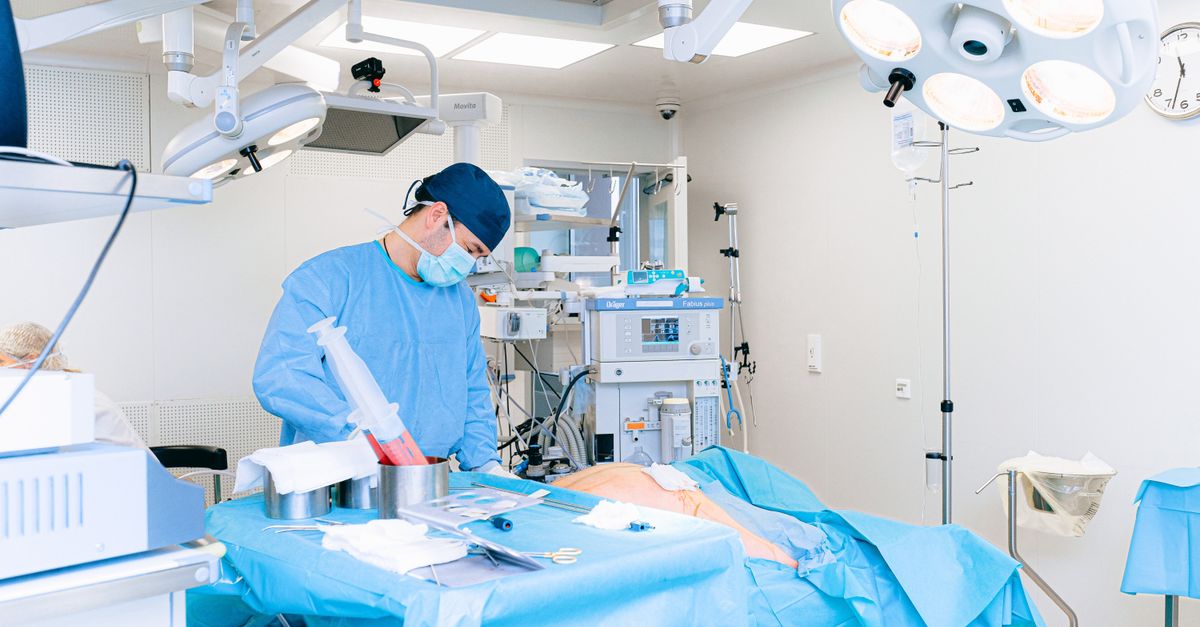
Phuket is home to several internationally accredited private hospitals, and this is a genuine strength of island life. These facilities generally offer:
- Modern diagnostic equipment and well-equipped treatment facilities.
- English-speaking doctors and dedicated international patient departments, often with additional language support.
- A broad range of specialists, so complex care can frequently be handled on the island rather than requiring travel to Bangkok.
- Comfortable, hotel-style inpatient facilities.
Because standards, specialisms and pricing differ between hospitals, it is worth identifying your preferred hospital soon after you arrive, registering as a patient, and knowing how to reach it in an emergency. Ask other residents about their experiences, and confirm current services directly with the hospital rather than relying on second-hand information, as facilities and departments evolve.
Public hospitals and clinics
Even if you plan to use private care, it helps to understand the wider network. Phuket has public hospitals in and around Phuket Town and district facilities elsewhere on the island, plus numerous private clinics and pharmacies in every populated area.
For minor issues — a cold, a small injury, a prescription refill — local clinics and well-stocked pharmacies are convenient and inexpensive, and pharmacists are often able to advise on straightforward problems. For anything serious, most expats head to a private hospital. Knowing your nearest options at each level, from pharmacy to clinic to full hospital, means you are never caught unprepared.
Health insurance for expats and retirees
The single most important piece of healthcare planning is insurance. Because private treatment is paid for, a serious illness or accident without cover can be expensive, so comprehensive health insurance is strongly recommended for every foreign resident.
A few practical points:
- Cover options vary. Expats typically choose between international health insurance policies and locally issued Thai plans, each with different networks, benefits and price points.
- Age affects cost and availability. Premiums rise with age and pre-existing conditions may be excluded or loaded, so it is wise to arrange cover sooner rather than later — an important consideration for those retiring in Phuket.
- Check the detail. Compare annual limits, outpatient cover, evacuation, exclusions and whether your preferred hospital is in-network.
- Visas may have requirements. Some long-stay visa routes carry their own health-insurance conditions, so factor this in when planning your stay. Our guide to Thailand visas for property owners outlines the main routes, and you should confirm current requirements with a licensed visa specialist.
What to budget for healthcare
Healthcare costs in Phuket sit well below Western levels for equivalent private care, but they are a real line in any relocation budget. Your spending falls into a few buckets: insurance premiums, routine and preventive care, prescriptions, and any elective or specialist treatment.
As a rough guide, routine private consultations and everyday medicines are inexpensive by Western standards, while the larger, less predictable cost is your annual insurance premium — which is why securing the right policy matters so much. Retirees should budget more generously, both because premiums climb with age and because check-ups and ongoing care tend to increase over time.
Rather than guess, fold realistic healthcare figures into your overall plan. Our cost of living in Phuket 2026 breakdown helps you set insurance and medical costs alongside housing, schooling and daily living.
Treat insurance as non-negotiable, not optional. The residents who run into real trouble here are almost always the ones who went without cover to save money — a false economy the day something serious happens.
Emergencies, pharmacies and everyday care
Beyond planned treatment, it pays to know how urgent and routine care work day to day. In a serious emergency, the main private hospitals run 24-hour emergency departments and ambulance services, so it is worth saving your preferred hospital's number in your phone long before you might ever need it. For minor ailments, Phuket's many pharmacies are a sensible first stop — well stocked, inexpensive and often able to advise on common problems or dispense routine medicines without an appointment. Dental and optical care are widely available too, generally at a fraction of Western prices, which is why some residents deliberately time check-ups for when they are already on the island.
Healthcare access by area
Where you live affects how quickly you can reach good care, and it is worth weighing when you choose a home. Phuket is not large, but high-season traffic can lengthen journeys, so proximity to a hospital is a sensible factor in your area shortlist.
- The south — including Rawai, Nai Harn and Chalong — is popular with retirees partly because it combines a strong community with reasonable access to private hospitals and a dense network of clinics and pharmacies.
- The west-coast corridor around Bang Tao is well served, with private healthcare and clinics geared to its large resident and visitor population.
- Central districts near Phuket Town put you closest to the island's main public and private hospitals.
If healthcare access is a priority for you, weigh it when you draw up your area shortlist rather than treating it as an afterthought. Our complete guide to living in Phuket as an expat sets healthcare alongside the other essentials — areas, costs, visas and community — that shape a comfortable move.
The bottom line
Healthcare is one of Phuket's strongest arguments as an expat and retiree destination. The island offers internationally accredited private hospitals and a deep network of clinics and pharmacies, at costs far below Western equivalents. The keys are simple: choose and register with a good hospital, secure comprehensive insurance before you need it, budget honestly for premiums and care, and weigh hospital access when you pick where to live.
When you are ready to find a home within easy reach of the care you want, we can help. Browse available properties or get in touch for a free consultation and we will match location, amenities and budget to your needs.