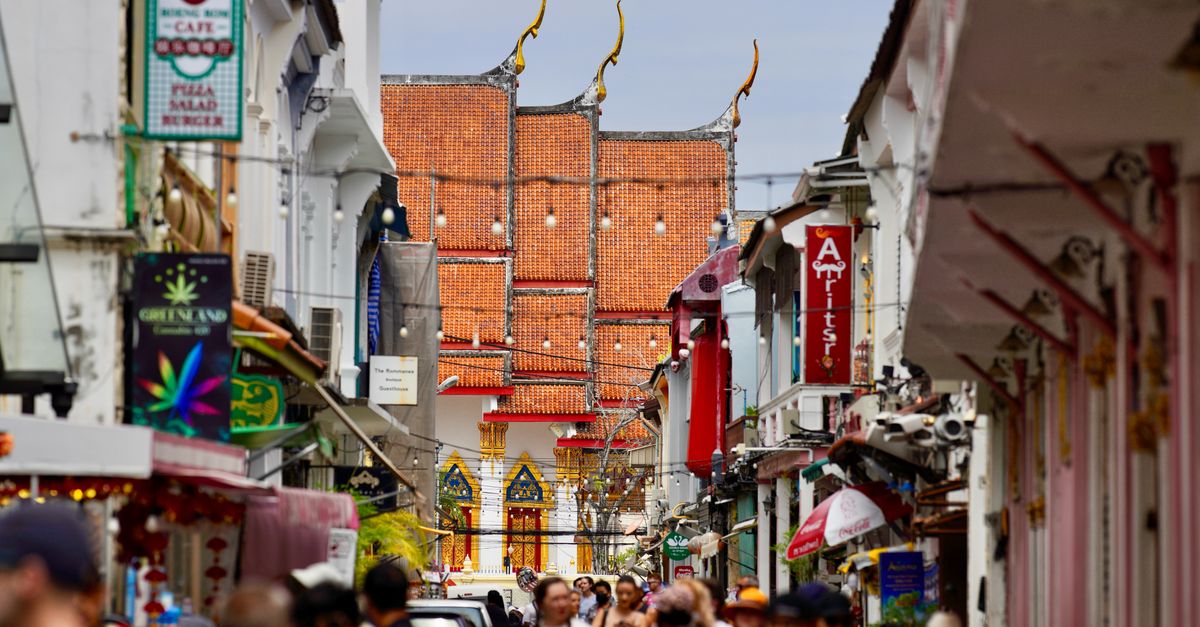
Living in Phuket as an expat is easier, and more rewarding, than many newcomers expect. Thailand's largest island pairs a warm tropical climate and an unhurried daily rhythm with the practical infrastructure a modern foreign resident actually needs: international-standard private hospitals, established international schools, fast internet and a large, welcoming expat community. Whether you are a remote worker chasing a better work-life balance, a family relocating for quality of life, or a retiree in search of year-round sunshine, the island offers a standard of living that is hard to match on the same budget anywhere else. This complete 2026 guide walks through the essentials: what daily life is really like, where expats choose to live, what it costs, how to stay long-term, and the honest pros and cons of making Phuket your home.
What daily life in Phuket is really like
Life on the island is defined by its climate and its pace. Phuket is warm all year, with a high season from roughly November to April that brings clear skies and lower humidity, and a greener, wetter season from May to October when tropical showers arrive in short bursts and prices soften. Most expats quickly adapt their routines to the heat — earlier starts, a slower midday, and long evenings out.
Getting around is straightforward once you settle in. Many residents drive a car, a scooter, or both, while ride-hailing apps and private drivers fill the gaps. Distances that look short on a map can take longer than expected, so most people choose a home base close to the things they use most: a favourite beach, a school, a gym, or the supermarkets and cafés of a particular district.
Everyday life is comfortable. You will find large modern malls, international supermarkets, fresh local markets, a huge range of restaurants from street food to fine dining, and an active fitness and wellness scene. English is widely spoken in tourist and expat areas, though a little Thai goes a long way and is warmly appreciated.
Where expats choose to live
One of the first decisions is which Phuket you want. The island is really a collection of distinct districts, each with its own character and community.
- The west-coast corridor around Bang Tao and Laguna is popular with families and professionals, thanks to its beach clubs, international schools nearby, and the amenities of Boat Avenue and Porto de Phuket.
- The south around Rawai and Nai Harn is the heart of the island's long-established expat scene — marinas, seafood, yoga studios and a genuine neighbourhood feel at accessible prices.
- Kamala blends a laid-back beach town with pockets of luxury, appealing to those who want calm without being remote.
- Chalong and the central districts offer practicality and value, with easy access to schools, hospitals and marinas.
If you are weighing districts against each other, view each one through the lens of daily life — the commute, the community, the amenities and your budget — even if you plan to rent for a season before you commit to buying.
What it costs to live here
Phuket can be as affordable or as indulgent as you make it. A single remote worker living simply spends far less than a family renting a villa with staff and international-school fees. As a rough guide, many couples live comfortably on a mid-range monthly budget that would feel tight in most Western cities, while still eating out regularly and enjoying the beach lifestyle.
The big variables are housing, schooling and healthcare. Rent ranges enormously — from modest condos to sea-view villas — and buying changes the maths again. Imported goods, international schooling and premium private healthcare are where costs climb closer to Western levels, while local food, transport, domestic help and utilities remain excellent value.
Rather than rely on rough figures, plan with real numbers. Our detailed cost of living in Phuket 2026 breakdown sets out realistic monthly budgets by lifestyle, so you can pressure-test your own plan before you commit.
How to stay long-term: visas
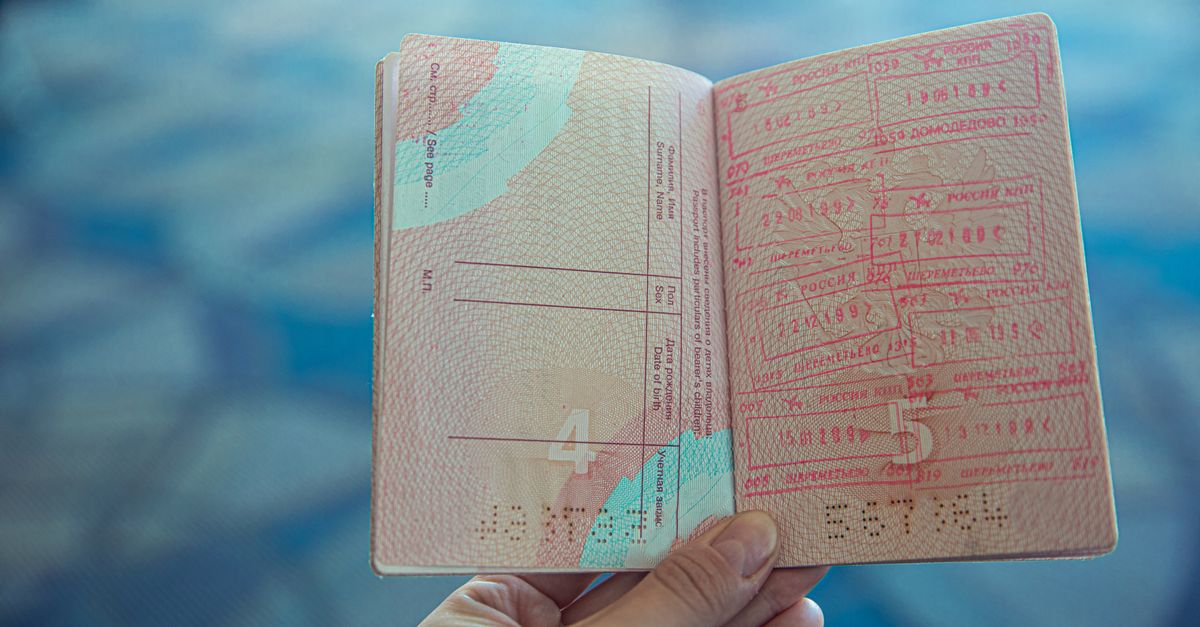
An important fact underpins any relocation: buying property in Thailand does not, by itself, grant you a visa or residency. Ownership and immigration status are two separate systems, and you arrange them in parallel. The good news is that there are several well-established long-stay routes for foreign residents:
- The renewable one-year retirement visa for applicants aged 50 and over who meet the financial requirements.
- The education visa for those studying in Thailand, from language courses to Muay Thai.
- The business visa for owners genuinely working or running a company here, subject to work-permit rules.
- The marriage visa for those married to a Thai national.
- The 10-year LTR (Long-Term Resident) visa for qualifying wealthy individuals, pensioners and professionals.
- The paid Thailand Privilege (Elite) visa, a membership programme offering long-stay privileges for a fixed fee.
Because thresholds and processing details change and are applied case by case, always take advice from a licensed visa specialist. Our overview of Thailand visas for property owners explains each route and how residents typically use them.
Healthcare and schools: the essentials
Two things reassure most relocating families, and Phuket handles both well.
For medical care, the island has internationally accredited private hospitals with English-speaking staff and modern facilities, alongside public hospitals and a wide network of clinics and pharmacies. Comprehensive health insurance is strongly recommended, since private care — while excellent value by Western standards — is not free. Our guide to healthcare in Phuket for expats covers public versus private care, insurance and budgeting in detail.
For families, Phuket has several established international schools offering British, International Baccalaureate and other curricula, most clustered in the Thalang, Cherng Talay and Chalong areas. Fees and places vary widely and change year to year, so confirm current details directly with each school. Our parent's guide to international schools in Phuket explains the options and how school location shapes where families choose to live.
Community, culture and settling in
Few relocation destinations make it as easy to build a social life. Phuket's expat community spans dozens of nationalities and is organised around interests as much as passports — sailing and kite clubs, running and cycling groups, business networks, parents' associations, yoga and Muay Thai, and a busy calendar of markets and events. Newcomers who show up to a few gatherings rarely stay strangers for long.
Settling in also means embracing Thai culture with respect. Thais value politeness, a calm demeanour and a smile; showing patience and courtesy opens doors that frustration closes. Learning a few phrases, understanding local etiquette around temples and elders, and being a considerate neighbour all make daily life smoother and richer.
The expats who thrive here are the ones who treat Phuket as a home to contribute to, not just a resort to consume. That shift in mindset is what turns a long holiday into a genuine life.
The pros and cons of expat life in Phuket
No honest guide skips the trade-offs. On balance, the pros are compelling:
- A warm climate, beautiful beaches and an outdoor, active lifestyle.
- Excellent value for daily living, dining and services.
- Strong infrastructure — hospitals, schools, connectivity and an international airport.
- A large, diverse and welcoming foreign community.
The realities to plan for are just as real:
- The wet season brings humidity and heavy showers.
- Visas require ongoing attention and professional help.
- Seasonal tourism means busier roads and higher prices in high season.
- Being far from family back home takes adjustment.
If you are still weighing the decision, be honest about the trade-offs — and if retirement is your reason for moving, our dedicated guide to retiring in Phuket digs into visas, budgets and the best areas for later life.
The bottom line
Living in Phuket as an expat rewards those who arrive prepared. Choose your area around your daily life, budget honestly, sort the right long-stay visa with professional help, and lean into the community — and the island delivers a quality of life that keeps people here for years. Many residents who start out renting eventually buy, owning a condo in freehold within a building's foreign quota, or a villa via a long-term lease or Thai company structure.
When you are ready to put down roots, we can help you find the right home for the life you want here. Browse available properties or get in touch for a free consultation and we will match the location, budget and lifestyle to you.