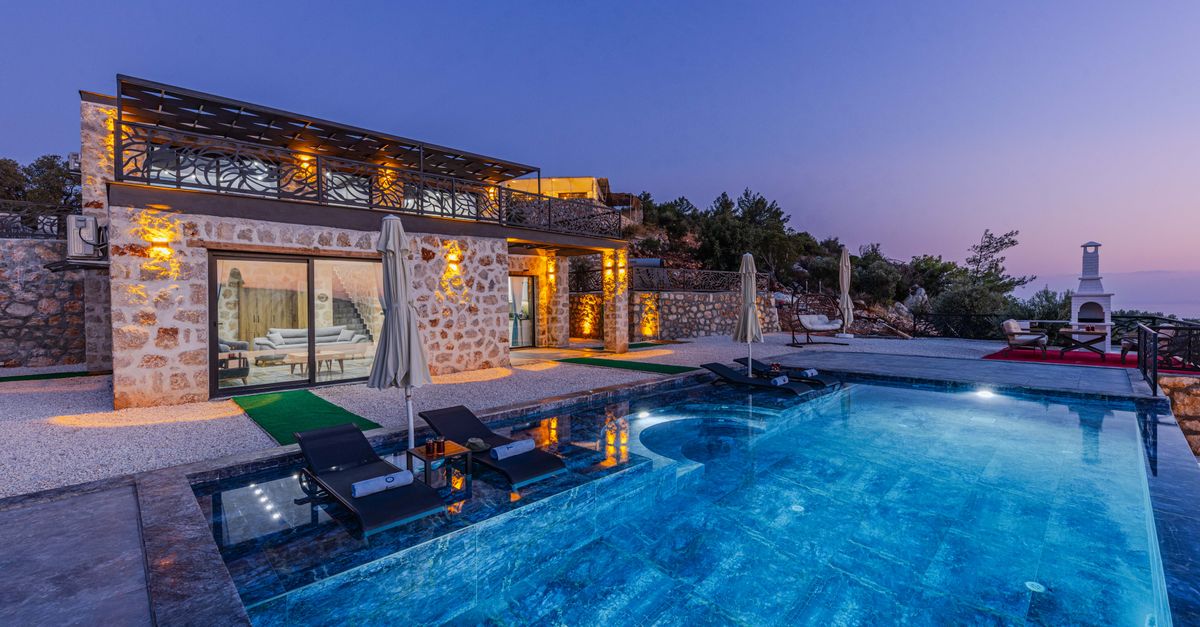
One of the first decisions almost every buyer in Phuket faces is the same one: a pool villa or a condominium? Both can be excellent purchases, and both can disappoint if you buy the wrong one for your situation. The choice shapes how you own the property, how much you pay upfront and each year, the rental income you can expect, the lifestyle you enjoy, and how easily you can sell later. This 2026 guide compares the villa vs condo Phuket options across all of those dimensions, honestly and without hype, so you can match the property type to your own goals rather than to a sales pitch.
The core difference: how you own each
Before comparing prices or pools, it helps to understand the single biggest difference between the two — the way a foreigner can legally own them.
A condominium is the one property type a foreigner can own outright in their own name. Each registered condo building can sell up to 49% of its total floor area into foreign freehold, and as long as your unit sits within that quota, you hold it as freehold. That simplicity is a large part of the appeal.
A villa is different, because it is land plus a house, and foreigners cannot own land in Thailand. A villa is therefore held either through a registered long-term lease — commonly 30 years — usually combined with freehold of the building itself, or through a properly structured Thai company that owns the land. Both routes are well established, but they involve more structure, more paperwork and more ongoing attention than a condo. One thing to be clear about: using nominee shareholders purely to hold land is illegal, and no reputable agent or lawyer will set that up.
For the full detail on each route, see our guides to buying a villa in Phuket and buying a condo in Phuket, along with our explainer on freehold versus leasehold.
Entry cost and running costs
Condos are the more accessible entry point. In the island's value areas, entry-level condos typically start from around THB 2–3 million, while in the core, established districts you are more often looking at THB 3–6 million for a quality unit. Villas sit above that, with the price driven far more by the land plot, the location and the pool than by floor area alone.
The running costs differ too:
- A condo carries monthly common-area fees and a one-off sinking-fund contribution that funds long-term building maintenance. In return, the building looks after the shared pool, gardens, security and lifts, so your personal upkeep is light.
- A villa has no building fees, but you carry the full cost of maintaining a private house and pool — cleaning, garden, pool servicing, repairs and insurance. That is real money every month, and it is easy to underestimate.
Whichever you choose, budget the standard 5–7% of the price for transfer taxes and fees on top of the purchase, which your lawyer will itemise for your specific structure.
Rental yield and income potential
On income, the two types tend to occupy different bands as of 2026:
- Condos typically achieve gross rental yields of around 5–6%. They rent easily, appeal to a broad pool of tenants and holidaymakers, and are genuinely hands-off when a building's management or a rental programme handles the bookings.
- Villas tend to achieve around 6–8% gross, because a private pool villa commands strong nightly rates from families and groups who will pay a premium for space and privacy.
The headline number is only ever part of the story. Location, the standard of the property and the quality of management decide whether you land at the top or the bottom of those ranges. A villa's higher yield also comes with higher running costs and more active management, so the net gap is narrower than the gross figures suggest. Our Phuket rental yields by area guide shows how returns vary across the island.
Lifestyle: space, privacy and convenience
This is where the decision often turns, because it is really a question about how you want to live.
A villa gives you space, privacy and your own pool. There are no shared walls, no neighbours through the ceiling, and room for a family, pets or long stays. In prestige villa areas such as Bang Tao and Cherng Talay, Layan, Rawai and Kamala, you get a genuine sense of home. The trade-off is responsibility: a villa is a house to run, and if you are away for months at a time, you will want a manager to keep an eye on it.
A condo trades some space for convenience and lock-up-and-leave simplicity. Facilities like a pool, gym and security come as standard, maintenance is handled for you, and you can close the door and fly home without a second thought. For many part-time residents and investors, that ease is worth more than an extra bedroom.
Resale and liquidity
When it comes time to sell, the two types behave very differently.
A condo is the more liquid asset. Because any foreigner can buy it in freehold, and because the entry price is lower, your pool of future buyers is large — other foreign investors, holidaymakers and local buyers alike. That tends to mean a faster, simpler resale.
A villa has a smaller buyer pool. The higher price, the leasehold or company structure, and the commitment of running a house all narrow the field of people able and willing to buy. Villas absolutely do sell, but often over a longer marketing period, and the structure you set up at purchase — particularly how a lease renewal is worded — can materially affect how attractive it is to the next buyer.
A condo is built for liquidity; a villa is built for living. Neither is better — they simply sell to different people, on different timelines.
Who each option suits
There is no universally "better" choice — only the one that fits you.
A condo tends to suit you if you want to own in your own name as freehold, prefer a lower entry price, value a hands-off, lock-up-and-leave property, want the easiest resale, and are comfortable with monthly building fees.
A villa tends to suit you if you want space, privacy and a private pool, plan to spend real time on the island or house a family, are comfortable with a leasehold or company structure set up properly with a lawyer, can budget for higher upkeep, and are chasing the higher end of the yield range.
Plenty of buyers start with a condo as a first, lower-risk purchase and move up to a villa once they know the island and their own habits better. There is no wrong order — only the sequence that matches your budget and your life.
Conclusion
Villa or condo, the right answer in the villa vs condo Phuket debate comes down to how you want to own, spend, earn, live and eventually sell. A condo offers freehold ownership, a lower entry point, easy management and strong liquidity, at a slightly lower yield. A villa offers space, privacy and a higher yield, in exchange for more structure, more upkeep and a narrower resale market. Get clear on which of those trade-offs matters most to you, take independent legal advice on the ownership, and either can be an excellent purchase.
Still weighing it up? Browse our villas and condos or arrange a free, no-pressure consultation, and we will help you match the right property type to your goals, budget and plans for Phuket.