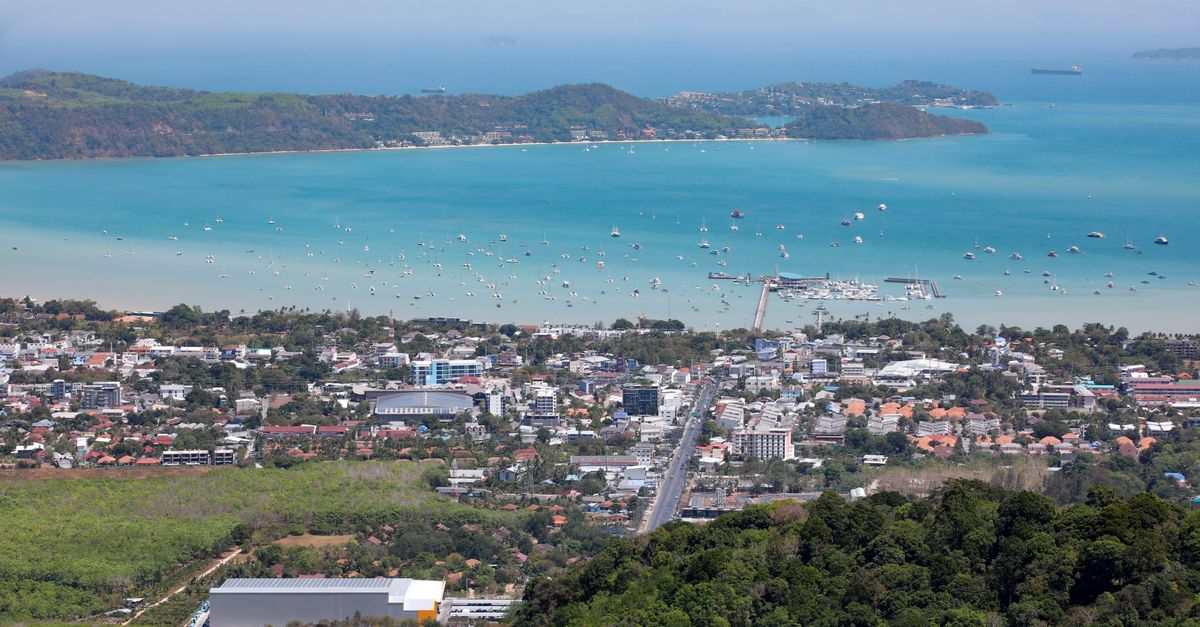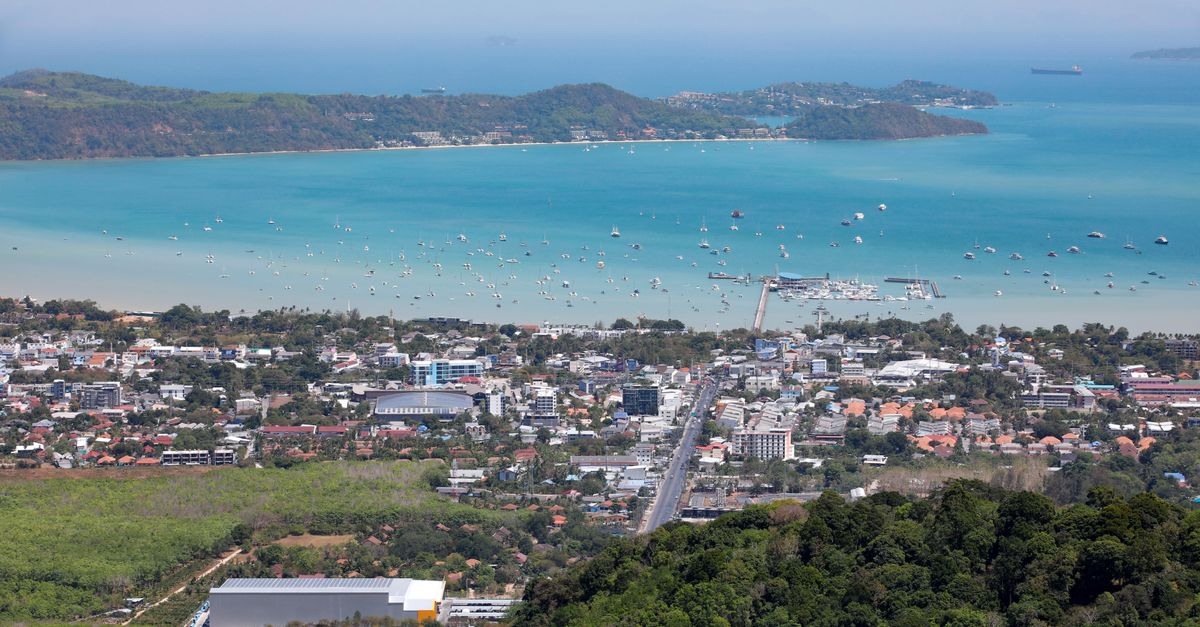
The Phuket property market in 2026 is best summed up in one phrase: strong, but steadier. Demand from international buyers remains high, the supply of land and low-rise homes on the desirable west coast is genuinely limited, and capital growth has cooled from the exceptional pace of 2021–23 to a more sustainable rhythm. Entry-level foreign-freehold condos start from around THB 2–3M, with most income-producing inventory opening up between THB 3–6M. This article looks at what is driving the market, where prices actually sit, and where the evidence points next.
What is driving demand
Several forces are keeping international interest firm as of 2026:
- Lifestyle and tourism. Phuket's year-round climate, beaches, healthcare, schools and connectivity continue to attract second-home and lifestyle buyers, and a healthy tourism sector underpins rental demand.
- Relative value. Compared with many other Asian and global resort markets, Phuket still offers a lot of quality property per dollar, especially in the condo segment.
- A cash-based market. Because Thai banks rarely lend to foreign buyers, most purchases are funded in cash. That makes the market unusually insulated from the interest-rate cycles that cool mortgage-driven markets elsewhere.
- Longer-stay visa routes. Options such as the 10-year LTR, the Thailand Privilege (Elite) visa and the retirement visa make it easier for owners to spend real time in their property — we cover these in the guide to Thailand visas for property owners.
Who is buying in 2026
The buyer pool is broad, which is a large part of what makes the market resilient:
- Lifestyle and second-home buyers who want a base in the sun and use it for several months a year.
- Income investors focused on rental yield and long-term capital growth.
- Retirees drawn by the climate, healthcare and cost of living, often settling in the southern communities.
- Remote earners and younger professionals who can now spend extended periods here on longer-stay visas.
- Regional buyers from around Asia and further afield diversifying into a stable, tourism-backed resort market.
Because these groups buy for different reasons, demand does not hinge on any single trigger — a healthy sign for a property market, and one reason values have held up as growth normalised.
Price levels in 2026
Prices vary widely by area, type and ownership structure, but useful 2026 reference points include:
- Entry income condos in foreign freehold from around THB 2–3M, most commonly in the southern value areas of Rawai and Nai Harn.
- The core of the income market between about THB 3–6M, which opens up the widest choice of rentable one- and two-bedroom units.
- Studios near Bang Tao and Kathu from roughly THB 3.5–4.5M (about USD 100–130k).
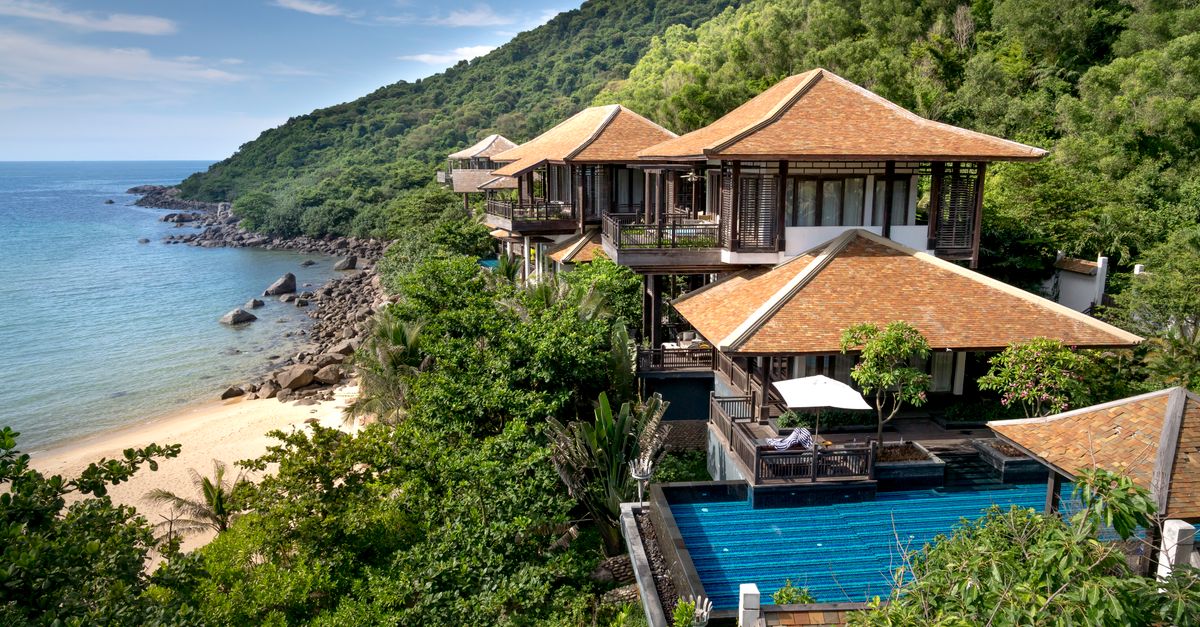
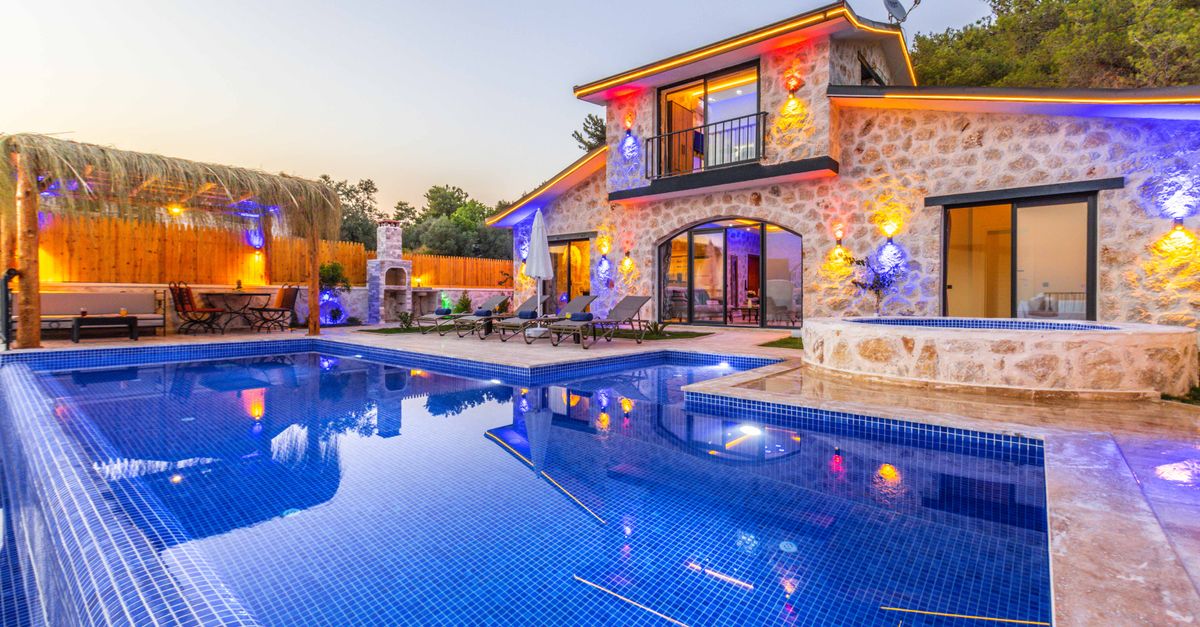
- Villas, held via long-term leasehold or a Thai company, command a premium in prime west-coast locations such as Layan and Surin, where limited supply supports pricing.
Condos, villas and land: how the segments differ
The three main segments behave differently, and it is worth knowing which you are really buying into:
- Condominiums are the most liquid and accessible entry point, available in foreign freehold within the 49% quota. The pipeline is active, so location and building quality are what separate a strong buy from a generic one.
- Villas offer space, privacy and pools, held via long-term leasehold or a Thai company. Prime west-coast villa land is scarce, which supports values over time.
- Land cannot be owned outright by foreigners and is the most specialist route, usually pursued through leasehold or a company structure with proper legal advice.
Matching the segment to your goals — liquidity, lifestyle, or a long-term hold — is one of the most important early decisions a buyer makes, and it shapes everything from budget to exit.
Supply: the west-coast squeeze
The single most important structural feature of the market is the scarcity of prime land. Along the west coast — Bang Tao, Layan, Surin and the beaches south of them — buildable low-rise land is limited, and that scarcity supports villa and low-rise values over time.
The condominium pipeline is more active, concentrated in the fast-growing Cherng Talay corridor around Bang Tao and Laguna. That is healthy for choice and liquidity, but it also means certain condo micro-markets can see a lot of similar units competing at once. The lesson for 2026 buyers is to distinguish genuinely scarce, well-located stock from easily replicated inventory.
Capital growth: moderation, not reversal
Capital appreciation has clearly moderated. Where some off-plan projects gained 25–35% over a construction cycle in 2021–23, a more typical expectation as of 2026 is around 15–22% across an 18–30 month build for well-chosen projects. Completed resale property generally moves more gently.
This cooling is a sign of a maturing, more sustainable market rather than a downturn. It rewards discipline: the easy, rising-tide gains of the boom are less automatic, so location, developer quality and price discipline matter more than they did.
In a steadier market, scarcity and quality quietly do the work that a rising tide once did for everyone.
The rental market underneath
Underpinning capital values is a solid rental market. Gross yields in 2026 typically run around 5–6% for condos and 6–8% for villas, with prime, well-managed short-term units achieving higher net figures in high season. Bang Tao and Laguna carry the strongest year-round demand, while Patong leads on short-term turnover. For the detail, see our breakdown of Phuket rental yields by area.
Where the market is heading
No one can predict prices precisely, and you should treat any forecast — including this one — with caution. Property is a long-term hold, and short-term moves rarely matter to a buyer planning to own for years. That said, as of 2026 the balance of evidence points to a few likely themes:
- Resilient prime values. Persistent international demand meeting limited west-coast supply should keep quality, well-located property firm.
- A widening quality premium. Buyers are more selective; the gap between prime, scarce stock and generic inventory looks set to widen.
- More measured growth. Expect steadier appreciation rather than a return to boom-era spikes — good news for buyers who value stability.
- Off-plan discipline. With slimmer automatic uplift, developer track record and entry price matter more than ever.
Buyer takeaways
- Move decisively on genuinely scarce stock — prime west-coast land and villas do not stay available long.
- Verify off-plan carefully: compare price per square metre with real resale comparables and scrutinise the developer.
- Get the structure and management right, because in a steadier market, net returns and clean ownership do the heavy lifting.
- Match the segment to your goal: condos for liquidity and simplicity, villas for space and scarcity.
- Keep a cash buffer for transfer costs, furnishing and the running costs that stand between gross and net.
To turn this market view into a plan, read the Phuket property investment guide and our area-by-area guide to the best places to buy in Phuket. The buyer's guide covers costs, taxes and process in full.
The bottom line
The Phuket property market in 2026 favours prepared, selective buyers: demand is strong, prime supply is tight, and growth is steadier and more sustainable than during the boom. That is a healthy environment to buy in — provided you focus on scarcity, quality and clean structure rather than chasing headline numbers.
For a current read on prices in your target area, get in touch for a free consultation or browse the latest listings.